
How to Start Playing DnD
A Simple 5-Step Guide for New Adventurers
Welcome to a Lifetime of Adventure
Dungeons & Dragons can seem mysterious at first -dice, spells, and strange monsters. But at its heart, DnD is simply a shared storytelling game where friends gather around a table and imagine heroic adventures together. One person describes the world, the others play heroes exploring it, and the dice help decide what happens next.
If you’re curious about trying DnD but aren’t sure where to begin, don’t worry. With a few basic tools and a group of friends, you can start playing today. Follow these five steps, and you’ll be exploring dungeons, battling monsters, and discovering treasure in no time.
Step 01:
Start with the Essentials
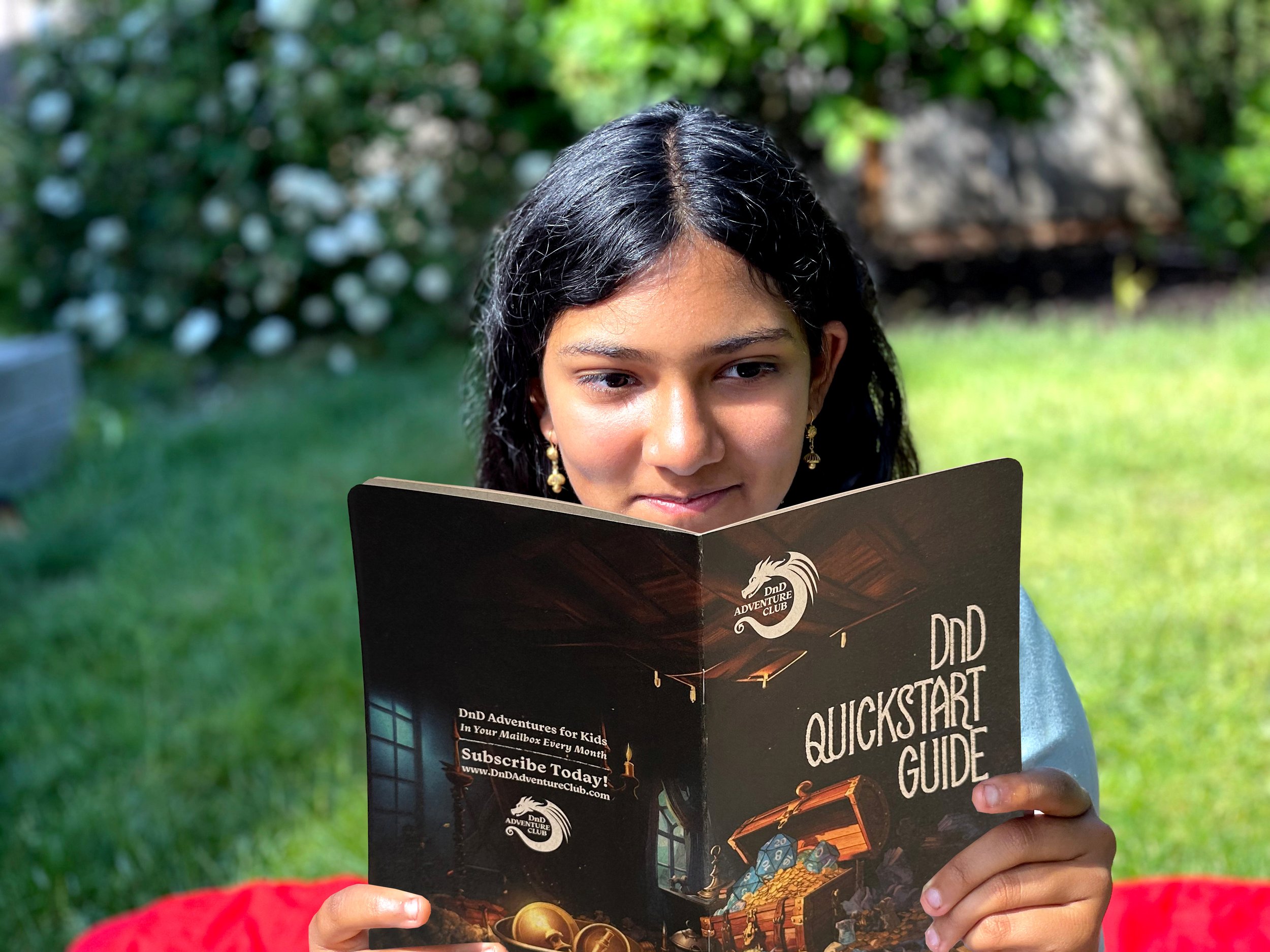
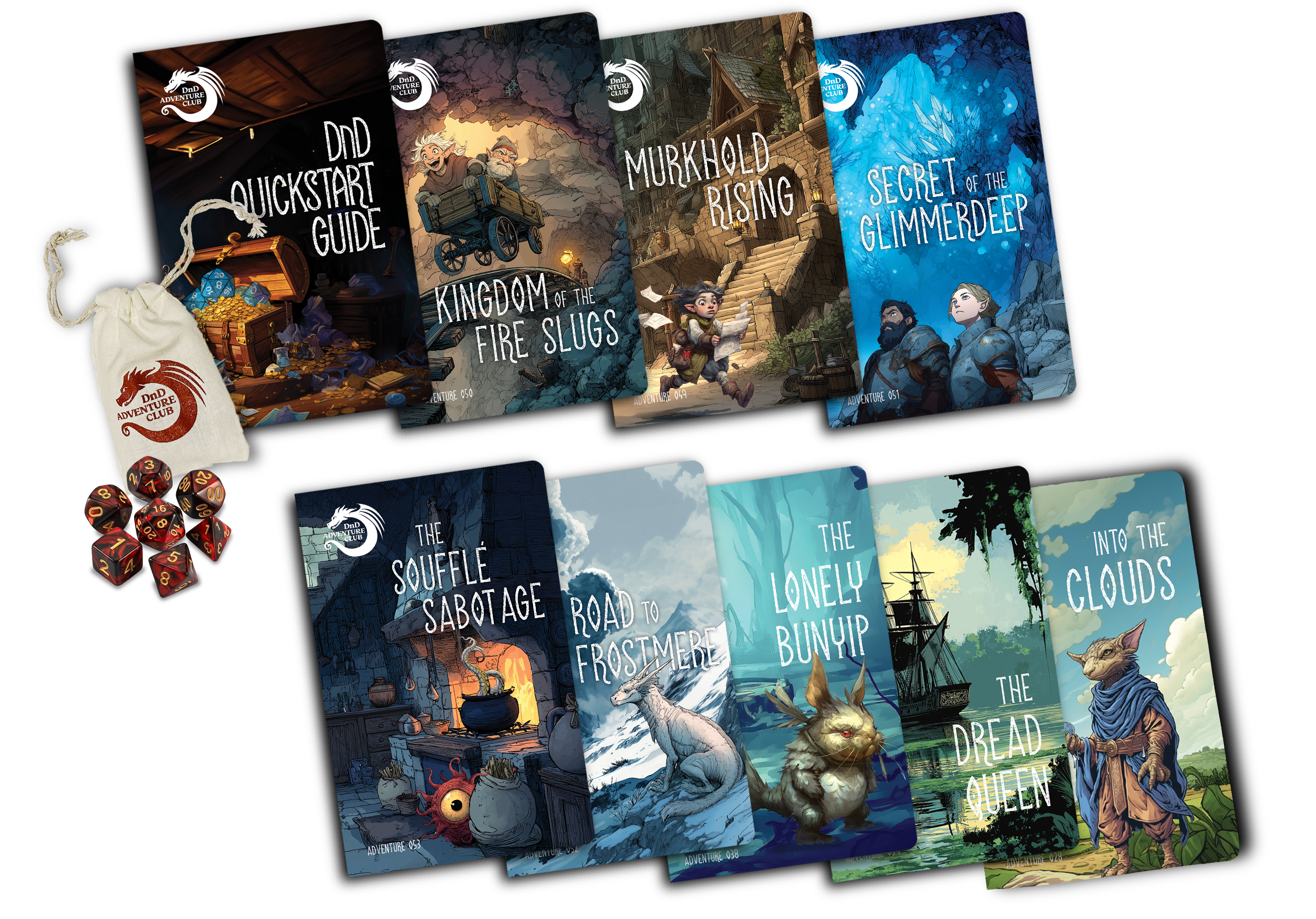
The easiest way to begin playing Dungeons & Dragons is to start with a DnD Adventure Club Quickstart Guide and one of the easy, ready-to-run adventures. These beginner-friendly resources include everything you need to start: simple rules, characters, monsters, and a story for your group to play through together. Along with our Quickstart Guide, DnD Adventure Club publishes a new short adventure every month. Each adventure can be played on its own or woven into a longer trilogy campaign. Or jump into one of our past adventures and pick a theme that excites your group - mysterious temples, spooky carnivals, dragon hunts, or magical forests. Either way, the entire experience is designed specifically for new players.
Before you play, it helps to understand the basic flow of the game.
One player takes the role of the Game Master (GM) and describes the world: the cave you enter, the monster that appears, or the mysterious treasure chest in the corner. The other players describe what their characters do. Maybe someone says, “I cast a spell!” or “I swing my sword!” or even “I run away!” And then the GM asks players to roll dice to see what happens.
If you want to see the game in action before you start, watching a live play session online can be very helpful. Seeing how players talk, roll dice, and interact with the GM makes the game feel much more approachable.
“How to Play” videos from the official publishers of DnD is a straightforward explanation of how it all works.
Fan-favorite MCDM “Running the Game” Videos. These are more dense and faster-paced, but a lot of fun.
Step 02 :
Gather Your Party
DnD is a social game, so the next step is finding your adventuring companions. A typical group includes 3–5 players plus one Game Master. These can be friends, family members, classmates, or coworkers. Many local game stores host open DnD events, and there are online communities where players meet virtually.
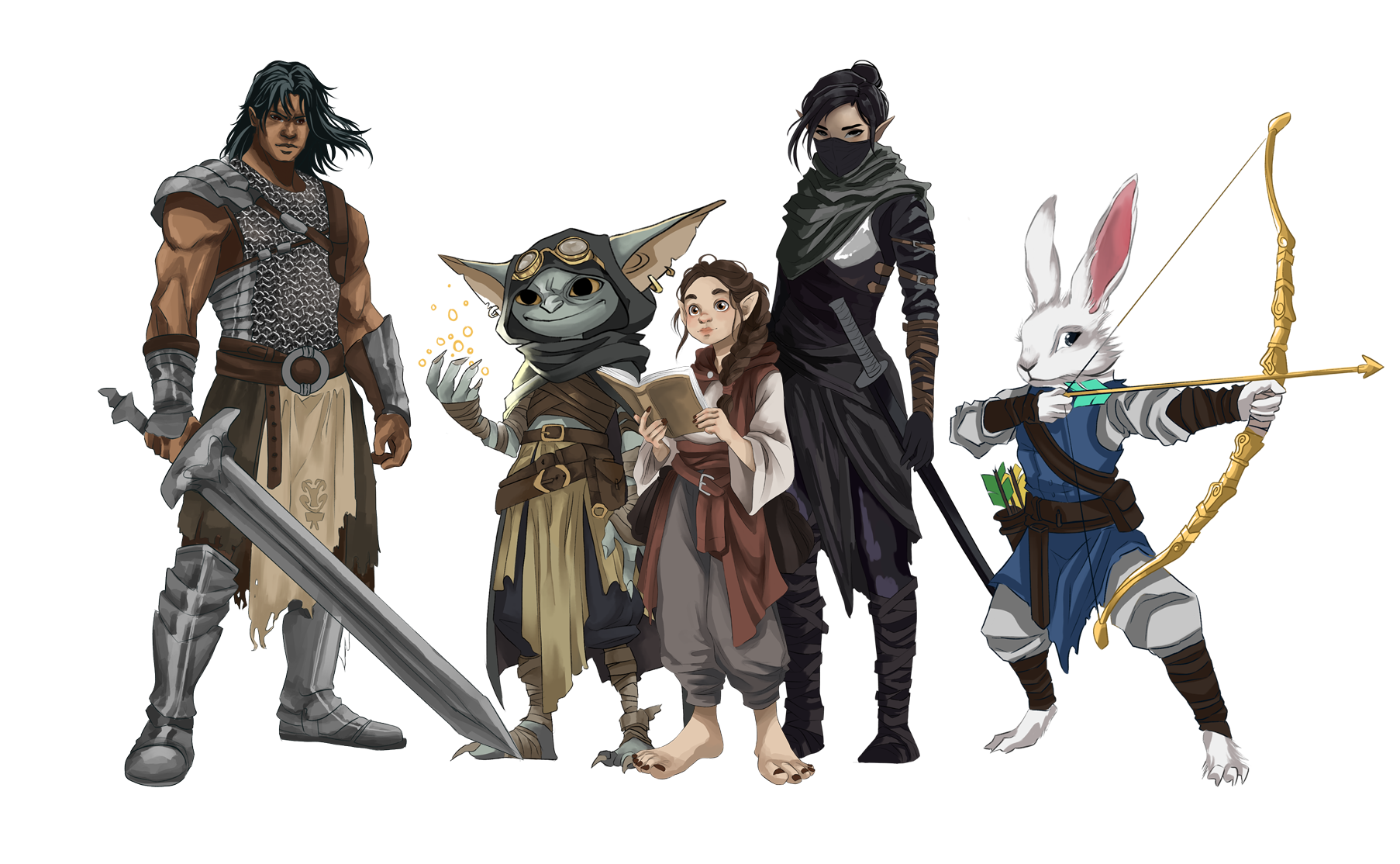
For groups that are just starting out, it’s often best to skip character creation at first and use pre-generated heroes. Character creation can be fun, but it involves a lot of rules. Pre-made characters let players jump straight into the adventure. DnD Adventure Club offers more than 50 free, ready-to-play characters, each with spells, equipment, abilities, and skills already filled out. Help your players out by walking them through their options.
Before your first game, it’s helpful to host a quick “Session Zero.”
This is simply a short conversation where everyone talks about the kind of adventure they want to play, the tone of the game, and any boundaries or expectations.
It helps everyone feel comfortable and ensures the game will be fun for the whole group. For beginning players, it can’t hurt to run them through a mini-encounter with a harmless foe like a giant rat, just to practice the basic game mechanics and familiarize the player with their character’s abilities.
If you are the Game Master, it’s your job to guide the story and describe what the players experience. So you need to know the basic plot points of the adventure. The best way to prepare is to read through the adventure once (or more) before playing. You don’t need to memorize everything, just get a sense of the story, the locations, and the important moments.
DnD Adventure Club adventures are designed to make this easy. Each scene includes clear read-aloud sections you can share with your players, along with simple instructions for monsters, traps, treasures, and puzzles. Everything you need is included directly in the adventure book, so you don’t have to flip through multiple sources looking for rules or creature statistics.
As the GM, think of yourself as both a storyteller and referee. You describe the world, react to the players’ choices, and keep the adventure moving forward. But remember - DnD is collaborative storytelling. The players’ decisions shape the story just as much as the adventure itself.
Step 03 :
Pick an Adventure
Step 04 :
Final Preparations & Materials
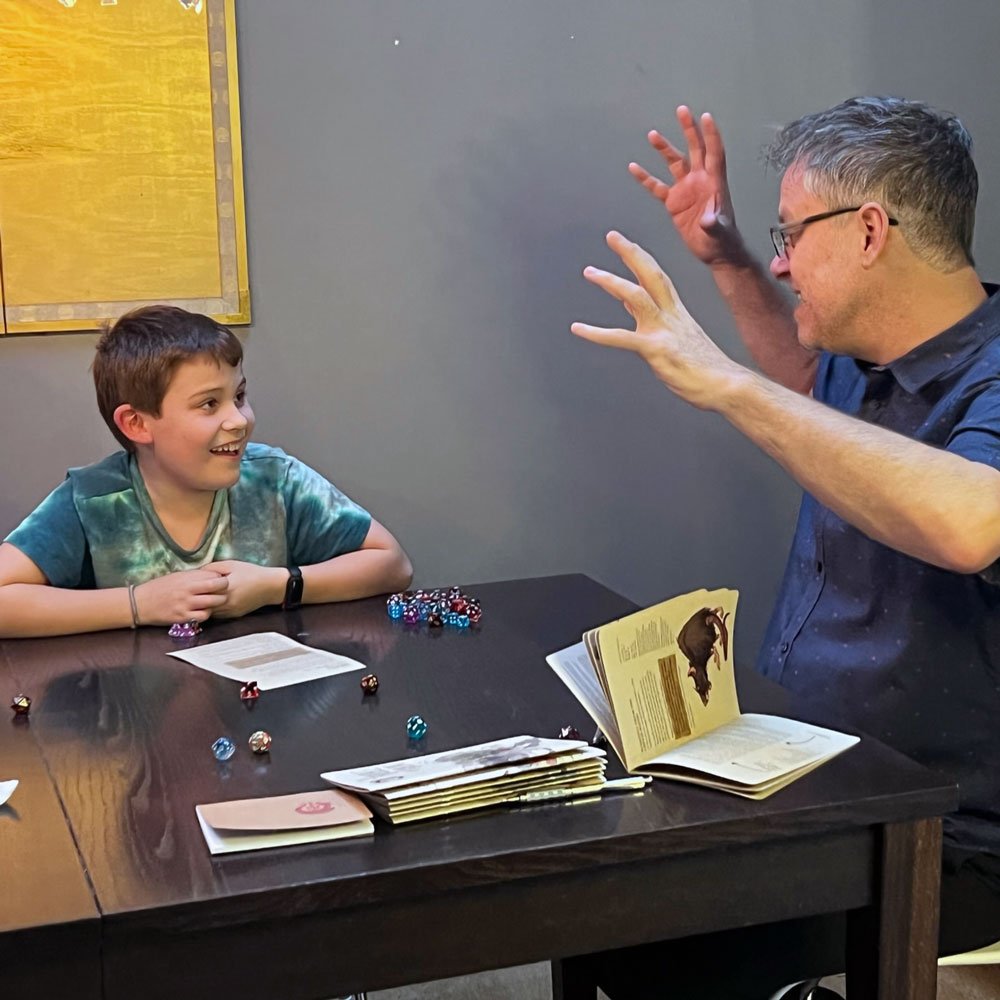
OK, you’ve got a basic understanding of the rules and the flow of the game. Your players have their character sheets. You really don’t need much else to start playing! Each player should have a pencil, a few sheets of scratch paper, and a set of dice. Character sheets keep track of abilities and equipment, while scratch paper helps players jot down notes, clues, or treasure they discover along the way.
Snacks aren’t technically required, but they certainly help! Comfortable seating and good lighting also go a long way toward creating a fun environment.
The most important preparation, however, is simply gathering everyone around the table with a shared sense of adventure.
DnD doesn’t require fancy tools or perfect rules knowledge. All you really need is imagination and a willingness to try something new.
Now it’s time for the real fun -playing! A typical DnD Adventure Club adventure takes about 60–90 minutes, making it perfect for an evening game session. All of our adventures are written as part of three-part trilogies, which means you can string them together to create a longer story arc and memorable campaign.
During the game, players take turns according to the initiative order - you read the Quickstart Guide, right?! - each player describing what their characters do while the Game Master describes how the monsters and environment react. Dice rolls determine whether heroes succeed, fail, or accidentally cause hilarious chaos. Some moments will be dramatic, others surprising, and many will be downright funny.
Most importantly, don’t stress about the rules.
Every group forgets things or makes mistakes while learning. If something slows the game down, make a quick ruling and keep playing. DnD is about creativity, imagination, and shared storytelling - not perfection.
If everyone leaves the table smiling and talking about the adventure afterward, you’re doing it right.
Have fun and enjoy the adventure!
Step 05 :
Play the Game
Bonus Prep : Fun Extras
These tools aren’t required, but they can make your games even more exciting.
MINIATURES
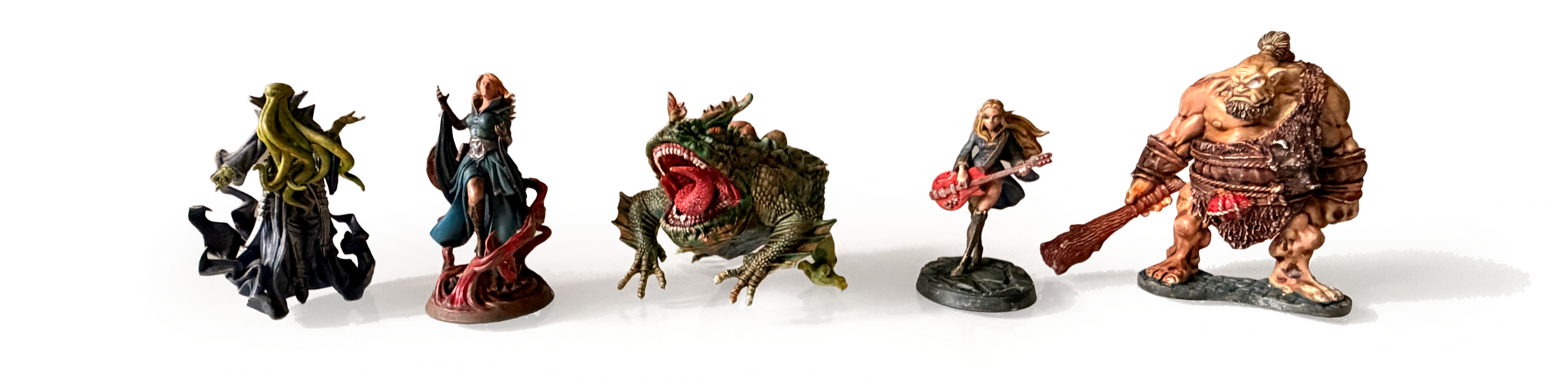
Miniatures are small figures that represent characters and monsters on the table. They can help players visualize where everyone is standing during battles. Game stores offer many miniature options, but you can also use printable paper figures, LEGO minifigures, coins, or even M&Ms.
MAPS
Drawing maps can bring the dungeon to life. A roll of butcher paper and a marker work perfectly. A common scale is 1 inch per square, with each square representing about 5 feet in the game world.
If you have access to a printer, you can also print the color maps for each adventure, available in our RESOURCES section. Many tools online allow you to tile large maps across multiple pages, making them easy to assemble on the table.
